Understanding the Fundamentals of Dental Implants: A Comprehensive Guide
Dental implants are a popular and effective solution for replacing missing teeth. They function as a stable foundation for artificial teeth, offering a long-lasting and natural-looking restoration. Unlike bridges or dentures, implants are directly integrated into the jawbone, providing a level of stability and longevity that other tooth replacement options cannot match. This section delves into the core principles of dental implants, exploring their components, the process of getting an implant, and key considerations for successful outcomes.
What are Dental Implants?
At their core, dental implants consist of three main parts: the implant body, the abutment, and the crown. The implant body is typically made of biocompatible material, most commonly titanium, which fosters a strong bond with the jawbone through a process called osseointegration. This integration is crucial for the implant’s long-term stability. The abutment is the connector piece that attaches the crown to the implant body. It’s designed to fit the individual patient’s needs and ensure proper alignment. Finally, the crown is the visible part of the replacement tooth, crafted to match the colour, shape, and size of adjacent natural teeth.
The Implant Process: A Step-by-Step Overview
The journey to a new smile with dental implants typically involves several stages. The process begins with a thorough evaluation by a dentist, including a comprehensive examination, X-rays, and potentially 3D imaging to assess bone density and determine the optimal placement for the implant.
- Assessment and Planning: The dentist will create a detailed treatment plan outlining the procedure and expected outcomes.
- Implant Placement: A surgical procedure is performed to insert the implant body into the jawbone. This is usually done under local anaesthesia, although sedation options are available for patient comfort.
- Osseointegration: This is a critical phase where the implant fuses with the jawbone. It typically takes several months (3-6 months) for this process to complete.
- Abutment Placement: Once osseointegration is successful, an abutment is attached to the implant.
- Crown Placement: Finally, the custom-made crown is secured to the abutment, completing the restoration.
Types of Dental Implants
Different types of dental implants are available to suit various needs and bone conditions. The most common types include:
- Endosteal Implants: These are the most widely used type and are surgically inserted directly into the jawbone.
- Subperiosteal Implants: These are placed on top of the jawbone but beneath the gum tissue, used when there isn’t enough bone height for endosteal implants.
- Zygomatic Implants: In cases of severe bone loss in the upper jaw, zygomatic implants are anchored into the zygomatic bone (cheekbone) for greater stability.
Factors Influencing Implant Cost in Turkey
The cost of dental implants in Turkey can vary depending on several factors. These include the type of implant chosen, the complexity of the case, the need for additional procedures like bone grafting, and the clinic’s reputation and location. Generally, Turkey is known for offering highly competitive pricing for dental implants compared to many Western countries.
What to Expect Regarding Cost
While specific prices fluctuate, a single dental implant in Turkey can range from approximately €800 to €2,000. This price typically includes the implant itself, the abutment, and the crown. However, it’s important to note that additional costs may apply for initial consultations, diagnostic imaging, and any necessary preparatory procedures. Certain bone conditions may necessitate a bone graft, which will add to the overall expense.
Making an Informed Decision
Choosing to undergo dental implant treatment is a significant decision. It’s paramount to consult with experienced dental professionals who can thoroughly assess individual needs and provide a tailored treatment plan. Understanding the fundamentals of dental implants empowers patients to make informed choices and achieve a confident, healthy smile.
Breakdown of Implant Costs in Turkey: Factors Influencing the Final Price
The cost of dental implants in Turkey can vary significantly depending on a multitude of factors. Understanding these influences is crucial for individuals considering this popular and often more affordable dental tourism option. This section delves into the key elements that contribute to the final implant cost, providing a comprehensive overview to help prospective patients anticipate expenses.
One of the most influential factors is the type of dental implant chosen. Several types are available, each with varying materials and complexities, directly impacting the price. Titanium implants are the most common and generally considered the gold standard due to their biocompatibility and osseointegration properties. These typically fall within a specific price range. However, alternative materials like zirconia implants are also available and may be chosen based on individual patient needs and sensitivities. Zirconia implants, while offering an aesthetic advantage for patients with metal sensitivities, might have a different initial cost compared to traditional titanium options.
The complexity of the case plays a significant role in determining the overall cost. Simple single tooth replacements generally have a lower price point than more intricate procedures such as full mouth rehabilitation or implants requiring bone grafting. Bone grafting, for instance, is often necessary if there has been significant bone loss, adding to the total expense. The need for additional procedures like sinus lifts or nerve relocation can further increase the cost. A patient requiring multiple implants will naturally face a higher overall cost compared to someone needing just one or two.
The experience and qualifications of the dental surgeon and clinic are also critical determinants. Highly skilled and experienced surgeons with a strong track record often charge more for their services. This premium reflects their expertise, advanced training, and potentially the use of more sophisticated surgical techniques. Clinics with state-of-the-art facilities, advanced diagnostic equipment (such as CBCT scans), and a reputation for quality care may also have higher pricing structures. It is wise to research the surgeon’s credentials and the clinic’s accreditations.
Furthermore, the cost of materials themselves contributes to the final price. While titanium is a standard material, the quality and source can influence pricing. The abutment (the connector between the implant and the crown) and the crown (the visible part of the tooth) are also significant cost components. Crowns can range in price depending on the material used – options include porcelain, zirconia, and gold, each with its own cost implications.
Diagnostic procedures are an integral part of the implant process and contribute to the overall expense. A thorough assessment usually involves detailed examinations, panoramic X-rays, and often a 3D cone-beam computed tomography (CBCT) scan. CBCT provides a detailed 3D image of the jawbone, crucial for accurate implant placement and planning. The cost of these advanced imaging techniques is typically included in the overall implant quote.
Finally, aftercare and follow-up appointments should be considered. While the initial implant procedure forms the bulk of the cost, regular check-ups and maintenance are essential for the long-term success of the implant. The cost of these follow-up visits is usually factored into the total treatment plan.
For example, a study by the Turkish Dental Association in 2023 indicated a typical range for a single dental implant, including the implant, abutment, and crown, to be between €1,200 and €2,500. However, this is a general guideline, and the actual cost can vary considerably based on the aforementioned factors. It’s always recommended to obtain a detailed and transparent quote from the dental clinic outlining all associated costs before proceeding with treatment.
Detailed Cost Components: What’s Included in Your Turkey Implant Quote?
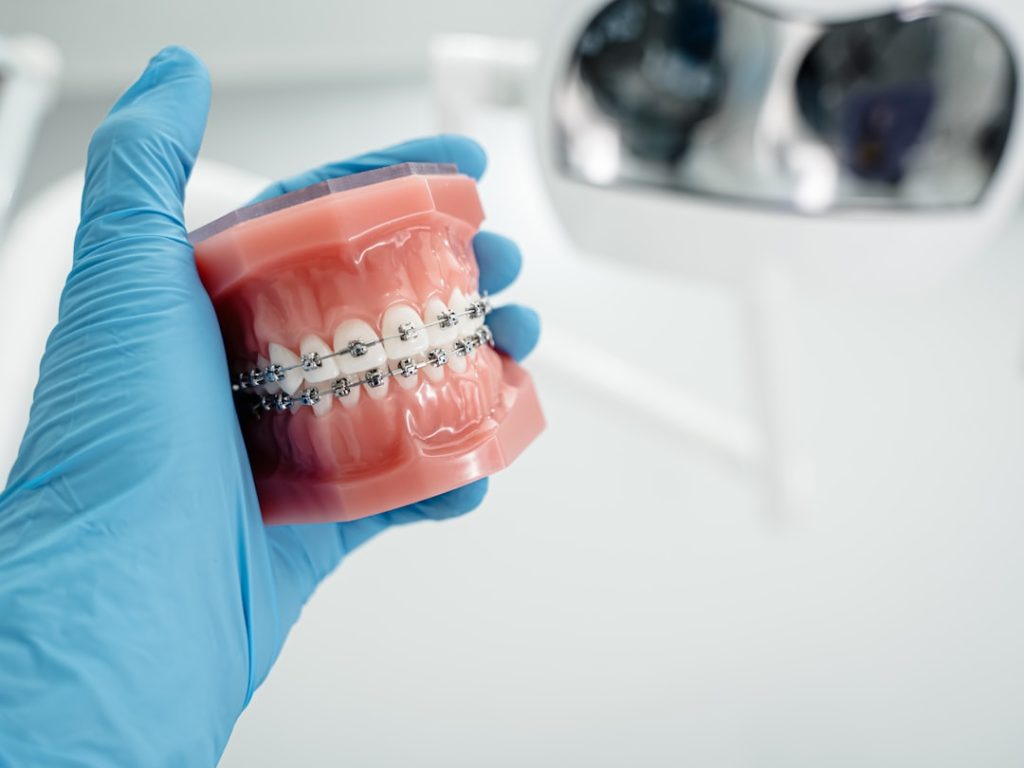
Understanding the breakdown of a turkey implant cost is crucial for prospective patients. A transparent quote should detail all aspects involved, allowing for informed decision-making. While the overall cost can vary, several key components typically contribute to the final price. These components ensure a comprehensive and safe procedure.
Surgical Fees
The surgical fee forms a significant portion of the quote. This covers the surgeon’s time, expertise, and the operating theatre facilities. Experienced surgeons often have higher fees reflecting their extensive training and experience. The complexity of the procedure can also influence this cost. A straightforward implantation might have a lower surgical fee compared to a more intricate case requiring additional time and resources. Factors such as the location of the clinic and the surgeon’s reputation can also play a role.
Implant Cost
The cost of the implant itself varies considerably based on several factors. Implant materials, size, and brand all contribute to the price. Different materials, such as biocompatible silicone or saline solutions, have varying production costs. The size of the implant needed will also directly impact the overall expense. A consultation with the surgeon will involve determining the appropriate implant size to achieve the desired aesthetic outcome. It’s important to enquire about the specific brand and material being used, as this can influence both the cost and the longevity of the implant.
Anaesthesia Fees
Sedation or general anaesthesia is usually required during a turkey implant procedure. This cost is typically determined by the anaesthetist or nurse practitioner administering the sedation. The depth of sedation needed will affect the fee. A thorough assessment of the patient’s health history is essential to determine the appropriate level of anaesthesia, which is factored into the overall cost.
Facility Fees
Facility fees cover the use of the clinic or hospital’s infrastructure. This includes the operating room, nursing staff, and post-operative care facilities. These fees can vary depending on the location and the type of facility used. Larger, more specialized clinics may have higher facility fees. These fees are often determined by the healthcare provider and are separate from the surgeon’s fees.
Pre- and Post-operative Care
Comprehensive care extends beyond the surgery itself. Pre-operative appointments involve consultations, medical assessments, and any necessary tests. These contribute to the overall cost. Post-operative care includes follow-up appointments to monitor healing and address any concerns. Instructions for wound care and activity restrictions are also part of this phase. Adherence to these instructions is crucial for optimal outcomes.
Additional Potential Costs
While the core components form the bulk of the cost, other potential expenses may arise. These can include:
- Consultation fees: Initial consultations may have a separate fee.
- Medical tests: Blood tests or other diagnostic procedures might be required.
- Medications: Pain relief or antibiotics prescribed after surgery.
- Ward stay: If an overnight stay is necessary for monitoring.
It’s vital to request a detailed breakdown of all potential costs from the clinic to avoid unexpected charges. A reputable clinic will provide a clear and transparent quote outlining all the elements included in the procedure. Discussing these components thoroughly with the clinic beforehand ensures financial clarity and allows patients to make an informed decision regarding their turkey implant.
Navigating Payment Options and Financing for Dental Implants in Turkey
Considering dental implants in Turkey brings a host of cost considerations to the forefront. Beyond the initial treatment fee, understanding the available payment options and financing solutions is crucial for many individuals. This section outlines the typical methods for paying for dental implants in Turkey, along with information on financing possibilities.
Common Payment Methods
Dental clinics in Turkey generally accept a variety of payment methods, offering flexibility to patients. These commonly include:
- Cash: Paying in Turkish Lira (TRY) or foreign currencies like US Dollars (USD) or Euros (EUR) is a straightforward option. The exchange rate at the time of payment will apply.
- Credit/Debit Cards: Major international credit and debit cards, such as Visa, Mastercard, and American Express, are widely accepted. However, some clinics might charge a small transaction fee for card payments.
- Bank Transfers: Direct bank transfers to the clinic’s account are another common method, especially for larger payments.
- Digital Payment Platforms: Increasingly, clinics are accepting payments through popular digital platforms like PayPal or local Turkish equivalents.
The preferred payment method often depends on the clinic’s policies and the patient’s convenience. It’s always wise to inquire about accepted payment methods before committing to a treatment plan.
Financing Options for Dental Implants
The cost of dental implants can be a significant investment, and financing options can make the procedure more accessible. While not as prevalent as in some other countries, several avenues for financing are available in Turkey:
- Clinic-Specific Payment Plans: Many dental clinics in Turkey offer their own installment plans. These plans allow patients to spread the cost of treatment over several months or even a year or more, typically with an initial deposit. The terms and interest rates vary between clinics.
- Bank Loans: Several Turkish banks offer personal loans that can be used to finance medical treatments, including dental implants. Interest rates and loan terms will depend on the bank and the borrower’s creditworthiness. Obtaining a bank loan typically requires an application process and credit assessment.
- Credit Cards with Installment Options: Some credit card providers in Turkey offer the option to pay for large purchases, such as dental implants, in monthly installments. This can be a convenient option for cardholders, although interest charges may apply.
- Healthcare Financing Companies: A growing number of specialized healthcare financing companies operate in Turkey, offering tailored financing solutions for medical procedures. These companies often have more flexible terms than traditional bank loans.
It is important to carefully review the terms and conditions of any financing agreement, including interest rates, fees, and repayment schedules. Understanding these details will help patients make an informed decision.
Important Considerations
When exploring payment and financing options, patients should also consider:
- Total Treatment Cost: Obtain a detailed breakdown of all costs involved, including the implant procedure, abutment, crown, and any potential pre-operative or post-operative care.
- Exchange Rates: If paying in a foreign currency, be mindful of potential fluctuations in exchange rates.
- Hidden Fees: Inquire about any additional fees, such as consultation fees or administrative charges.
- Reputation of the Financing Provider: Ensure that any financing provider is reputable and transparent in its practices.
- Your Personal Financial Situation: Choose a payment or financing option that aligns with your budget and ensures comfortable repayments.
Real-world scenario:
Consider a UK resident, Sarah, who is looking for dental implants in Turkey. The initial cost for a single implant, including the procedure and crown, is estimated at €2,500. To make this accessible, the clinic offers a 12-month interest-free payment plan. Sarah can therefore spread the cost over a year, making it more manageable for her budget. She also explores the option of a credit card with 12-month instalments, comparing the interest rates to the clinic’s plan. Ultimately, she opts for the clinic’s plan due to the absence of interest charges. This highlights how diverse payment options cater to different financial preferences.
Choosing the Right Clinic and Dentist: Ensuring Quality and Value
Embarking on the journey of dental implants is a significant decision, demanding careful consideration beyond just the cost. Selecting the right clinic and dentist in Turkey is paramount to ensuring a successful outcome and lasting value for your investment. This section explores key factors to evaluate, empowering individuals to make informed choices.
One of the primary aspects to consider is the clinic’s experience and expertise. Look for clinics with a demonstrable track record in implant dentistry. This isn’t just about the number of implants placed; it’s about the dentists’ specific training, certifications, and years of practice dedicated to this specialised field. Genuine expertise often translates to a higher success rate and fewer complications. A clinic that regularly participates in professional development and stays updated with the latest advancements in implant technology is a strong indicator of their commitment to quality. Consider their patient testimonials and before-and-after photos – while these should be viewed critically, they can offer valuable insights into patient satisfaction.
Beyond individual dentist qualifications, the clinic’s facilities and technology play a crucial role. Modern clinics typically invest in advanced diagnostic tools such as 3D imaging (CBCT scans) and surgical guides. These technologies enable more precise planning and placement of implants, leading to better anatomical integration and improved aesthetic results. Having a well-equipped in-house laboratory is another advantage, allowing for immediate fabrication of crowns and bridges, reducing appointment times and potential risks associated with sending impressions elsewhere. Inquire about the types of implants they commonly use and their experience with different implant systems.
The dentist-patient relationship is another often overlooked yet vital factor. A reputable clinic will prioritise clear communication, transparent treatment plans, and a comfortable environment for patients. During an initial consultation, a good dentist will thoroughly assess your oral health, explain the implant procedure in detail, address your concerns patiently, and provide realistic expectations regarding the treatment timeline and potential outcomes. Don’t hesitate to ask questions and ensure you feel fully informed and at ease.
Reputation and accreditation are essential indicators of trustworthiness. Verify if the clinic is accredited by relevant dental associations or regulatory bodies. Check online reviews from independent sources, but be mindful that online reviews can be subjective. Look for consistent positive feedback highlighting professionalism, patient care, and successful implant outcomes. Consider seeking recommendations from other patients or healthcare professionals if possible.
Furthermore, understand the clinic’s approach to pre-operative planning, surgical techniques, and post-operative care. A comprehensive treatment plan should include thorough diagnostics, detailed surgical procedures, and clear instructions for healing and maintenance. The clinic should offer ongoing support and follow-up appointments to monitor the implants’ stability and address any potential issues that may arise.
It’s beneficial to understand the clinic’s approach to sterilisation and infection control. Dental implant surgery is a delicate procedure, and strict adherence to hygiene protocols is non-negotiable. Inquire about their infection control procedures and ensure they meet international standards.
Finally, consider the overall value proposition. While cost is undoubtedly a consideration, it shouldn’t be the sole determining factor. Focus on the overall value, which encompasses the dentist’s expertise, the clinic’s facilities, the quality of materials used, and the level of aftercare provided. A slightly higher initial investment in a reputable clinic with a proven track record can often lead to better long-term results and avoid costly complications down the line.
Preparing for Your Implant Procedure in Turkey: A Step-by-Step Approach
Embarking on an implant procedure in Turkey requires careful preparation. This section outlines the essential steps to ensure a smooth and successful experience. Understanding these stages beforehand can alleviate stress and maximise the benefits of your treatment.
Initial Consultation and Assessment
The first step involves a comprehensive consultation with an experienced dental implant specialist in Turkey. This typically includes a detailed medical history review, a thorough clinical examination of your mouth, and advanced imaging such as X-rays or 3D scans. The dentist will assess your overall health, evaluate the condition of your jawbone, and discuss your desired outcome. This initial assessment is crucial for determining the suitability of implant treatment and planning the necessary steps. It also allows for transparent communication regarding the treatment plan and associated costs. Don’t hesitate to ask questions and clarify any concerns during this phase.
Diagnostic Procedures
Based on the initial consultation, further diagnostic procedures might be required. These could include:
- Digital Panorex X-ray: Provides a broad view of the jaw, teeth, and surrounding structures.
- Cone Beam Computed Tomography (CBCT) Scan: Offers a detailed 3D image of the jawbone, essential for precise implant placement. CBCT scans are increasingly standard practice.
- Oral Impression: Creates a model of your mouth to ensure a precise fit for the implant restoration.
The results of these procedures will inform the development of a personalised treatment plan. Accurate diagnosis is fundamental to a successful implant outcome.
Treatment Planning
Following the diagnostic phase, your dental implant specialist will develop a detailed treatment plan. This plan will outline the number of implants required, the type of implants to be used (e.g., zygomatic implants for complex cases), the surgical procedure, and the restoration process (crown, bridge, or denture). The treatment plan will also include a timeline and a comprehensive cost breakdown. It’s important to fully understand and agree to this plan before proceeding. A good clinic will clearly explain all options and potential outcomes.
Pre-operative Instructions
Once the treatment plan is agreed upon, you will receive detailed pre-operative instructions. These instructions are vital for preparing your body and ensuring a safe procedure. Common instructions may include:
- Medication Adjustments: Discontinuing certain medications, particularly blood thinners, is often necessary.
- Dietary Guidelines: You may be advised to avoid alcohol and smoking for a period before surgery.
- Oral Hygiene: Maintaining good oral hygiene in the weeks leading up to the procedure is crucial.
- Arrangements for Aftercare: Confirming arrangements for transportation and aftercare support is advisable.
Arrival and Initial Procedures in Turkey
Upon arrival in Turkey, you will typically undergo a final consultation and possibly some preparatory procedures. These might involve final adjustments to the surgical site or the placement of temporary implants. The clinic will ensure all logistical aspects are in place for a comfortable stay.
The Implant Surgery
The implant surgery itself is usually performed under local anaesthesia, although sedation or general anaesthesia may be an option depending on individual needs and the complexity of the case. The surgeon will create an opening in the jawbone and carefully place the implant. Bone grafting might be necessary if there is insufficient bone density. The type of implant material (typically titanium) is chosen based on the patient’s specific requirements.
Osseointegration Period
After the surgery, a period of osseointegration is required. This is the process where the implant fuses with the jawbone. This typically takes several months (usually 3-6 months). During this time, you will be given specific instructions on post-operative care, including dietary restrictions and oral hygiene practices. Maintaining meticulous oral hygiene during osseointegration is essential for a successful outcome.
Restoration Phase
Once osseointegration is complete, the final restoration (crown, bridge, or denture) can be placed. This involves taking impressions of the implant and surrounding teeth and sending them to a dental laboratory. The laboratory then crafts the restoration to perfectly match your existing teeth in terms of colour, shape, and size. The restoration is then cemented or screwed onto the implant. This completes the implant procedure.
Post-operative Care and Follow-up
Regular follow-up appointments are crucial to monitor the success of the implant and ensure long-term stability. The dentist will check the fit of the restoration, assess your oral health, and provide guidance on ongoing oral hygiene practices.
Maximising Your Investment: Long-Term Maintenance and Expected Outcomes
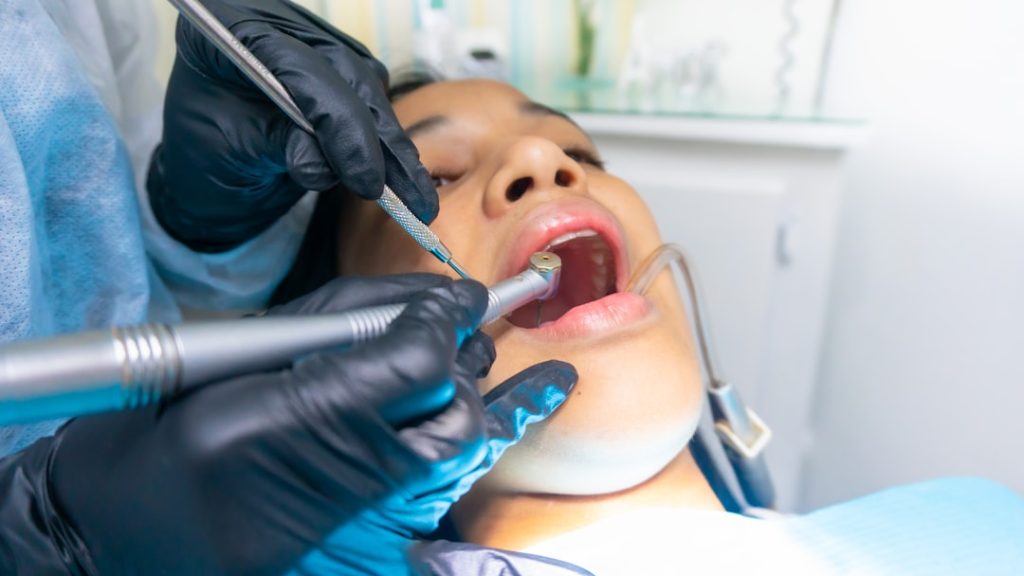
Investing in dental implants represents a significant financial commitment. However, the long-term success and value of this investment are heavily influenced by ongoing maintenance and understanding the anticipated outcomes. This section delves into the crucial aspects of post-implantation care, potential challenges, and the durable results patients can expect.
The initial integration phase of dental implants, where the jawbone fuses with the titanium post, typically takes several months. This osseointegration is fundamental to the implant’s stability and longevity. While implants are highly durable, proactive maintenance is essential to ensure their continued functionality and prevent potential complications. A consistent oral hygiene routine is paramount. This includes brushing at least twice daily with a soft-bristled toothbrush and flossing daily to remove plaque and bacteria from around the implant and adjacent teeth. Regular use of an interdental brush, prescribed by your dentist, may also be necessary to clean hard-to-reach areas.
Furthermore, routine dental check-ups and professional cleanings are vital. Dentists monitor the implant’s health, assess bone density, and address any early signs of peri-implantitis – an inflammation of the tissues surrounding the implant. Peri-implantitis, if left untreated, can compromise the implant’s stability. The frequency of these check-ups will be determined by your dentist based on your individual oral health needs and the specific type of implant placed. Generally, annual examinations are recommended, but more frequent visits might be required initially.
Beyond personal hygiene, certain lifestyle factors can significantly impact implant longevity. Smoking is a well-documented risk factor for implant failure, potentially hindering osseointegration. While quitting can be challenging, it is one of the most impactful steps a patient can take to protect their investment. Similarly, habits involving excessive force on the implants, such as clenching or grinding teeth (bruxism), can lead to damage. A dentist may recommend a custom-fitted mouthguard to protect implants from these forces.
The expected outcomes of dental implant investment are overwhelmingly positive. Dental implants are designed to mimic natural teeth, providing a stable and long-lasting solution for tooth replacement. According to research from the International Federation of Implant Dentistry (IFD), dental implants have a long-term success rate exceeding 95% when properly maintained. This is significantly higher than the success rates of bridges, which typically range from 85-90%. Patients often report improved oral function, speech, and self-confidence after receiving dental implants.
For instance, a case study involving a patient who had lost several molars due to periodontal disease demonstrates these benefits. After receiving dental implants, the patient experienced a significant improvement in their ability to chew and speak clearly. Their overall quality of life also improved substantially, leading to increased social engagement and confidence. Furthermore, implants do not require altering adjacent teeth, unlike bridges, which necessitate reshaping healthy tooth structures.
While the initial cost of dental implants can be higher than other tooth replacement options, the long-term value proposition is compelling. Over time, implants can prove to be a more cost-effective solution due to their durability and the avoidance of ongoing expenses associated with frequent repairs or replacements of less stable alternatives. The substantial investment in quality materials, like those used in modern implant systems, contributes significantly to their longevity and predictable outcomes.
It’s important to note that while the success rates are high, individual results can vary. Factors such as overall health, bone density, and patient compliance with maintenance protocols can all influence the long-term stability of the implants. Regular communication with your dental professional and adherence to their recommendations are crucial for maximising the lifespan and benefits of your implant investment.
Frequently Asked Questions
- What are dental implants?
Dental implants are a multi-part system used to replace missing teeth. They consist of an implant body, abutment, and crown, designed to look and function like natural teeth.
- How long does it take to get a dental implant?
The entire process can take several months. This includes the initial assessment, surgical placement, osseointegration (bone fusion), abutment placement, and finally, crown placement.
- Are there different types of dental implants?
Yes, the most common types are endosteal implants (inserted into the jawbone) and subperiosteal implants (placed on top of the jawbone). The type recommended depends on individual needs and bone structure.
Contact Us
instagram :@Healthiodent
Youtube :@healthioturkey
Facebook : healthioturkey
Whatsapp : +90 540 012 24 07