Your plan starts with your oral health and expectations.

Understanding the material
A zirconium crown — often called a zirconia crown — is a tooth-shaped restoration made from zirconium dioxide ceramic. It covers the prepared tooth and may be considered when a tooth needs structural support, a large restoration requires protection, an implant needs a final crown, or a carefully assessed smile plan calls for full-coverage restorations.
Its strength, metal-free composition and tooth-coloured appearance make zirconia a versatile option. The most appropriate material, translucency, thickness and surface finish must still be selected individually; no single crown type is ideal for every tooth or patient.
Shade and surface character can be planned to coordinate with surrounding teeth.
Zirconia can be considered for both front and back teeth after evaluating bite forces.
There is no metal substructure, helping avoid a metal-coloured line at the crown margin.
Digital records can support precise design, bite assessment and laboratory communication.
Suitability comes first
The decision should protect oral health as well as appearance. Your dentist evaluates how much healthy tooth remains, gum condition, bite, expectations and alternative treatments.
Covers the prepared tooth more extensively and is generally considered where greater structural coverage is required.
Usually covers mainly the visible front surface. It may be a more conservative option for selected aesthetic cases.
Material selection
This overview supports discussion; it does not replace clinical material selection. Position, bite, remaining tooth structure and aesthetic priorities all matter.
| Material | Appearance | Strength profile | Often considered for |
|---|---|---|---|
| Zirconia | Tooth-coloured; translucency depends on the zirconia type and design. | High strength with several formulations available. | Selected front or back teeth, bridges and implant crowns. |
| Lithium disilicate / E-max | Highly aesthetic glass-ceramic characteristics. | Strong ceramic, but selection depends on load and restoration design. | Selected front teeth and aesthetic cases. |
| Porcelain fused to metal | Porcelain surface over a metal substructure. | Established option with a supportive metal core. | Selected restorative situations after clinical evaluation. |
There is no universally “best” crown material. Your dentist should explain the recommended option, alternatives, limitations and expected maintenance for your case.
Your clinical pathway
Your sequence and number of appointments depend on oral health, the number of crowns, laboratory stages and whether additional care is required.
Share your concerns, medical information and suitable dental records. This provides preliminary guidance, not a final diagnosis.
Your dentist examines teeth, gums and bite and may request appropriate imaging before confirming the plan.
Tooth proportions, shade, gum line, facial context and your expectations are reviewed.
Clinically necessary preparation is completed with local anaesthesia as appropriate, followed by digital or conventional impressions.
Fit, contacts, bite, shade and appearance are reviewed. Adjustments may be required before final placement.
The approved crown is bonded or cemented according to the clinical situation, followed by care guidance and review planning.
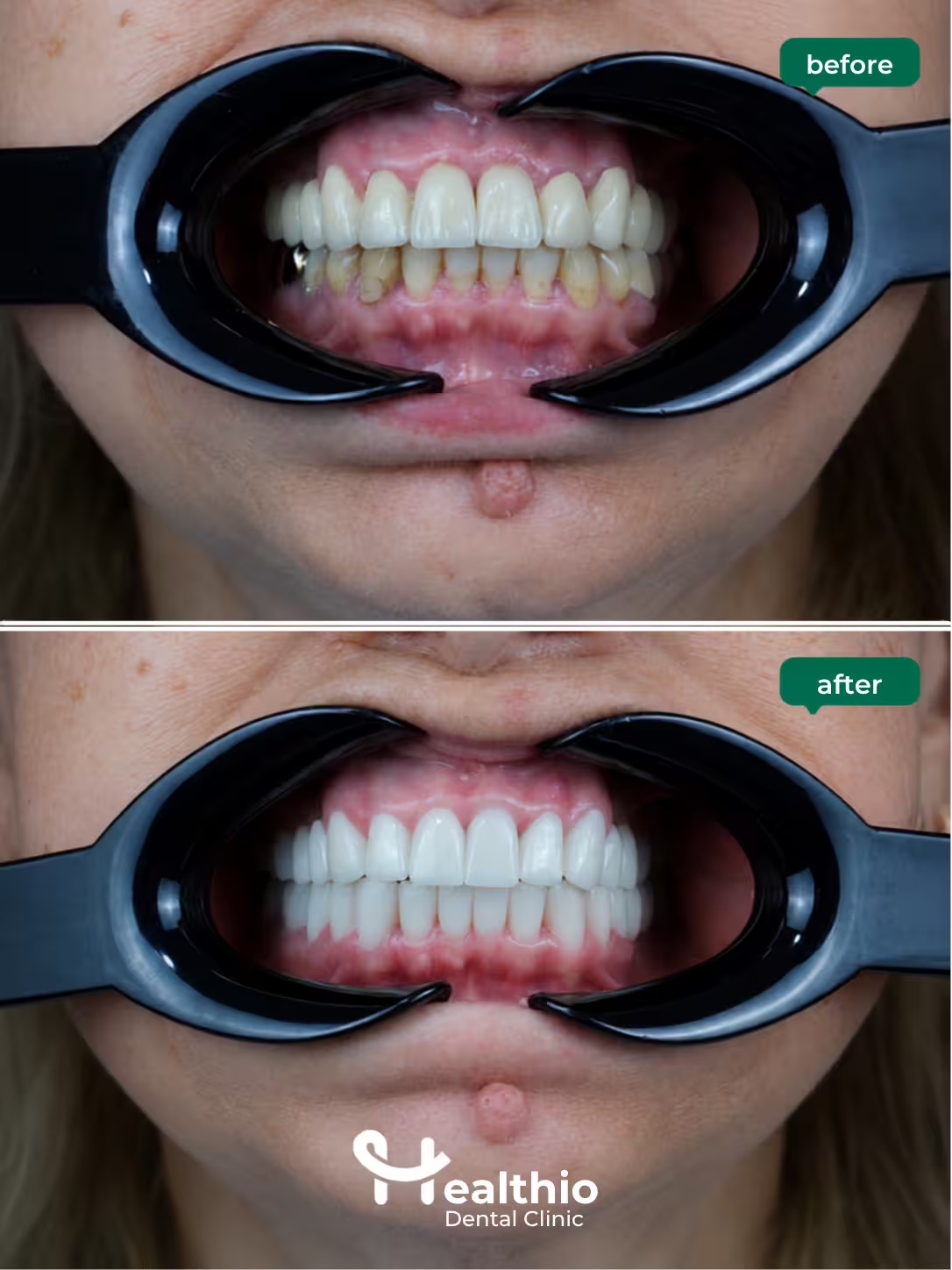
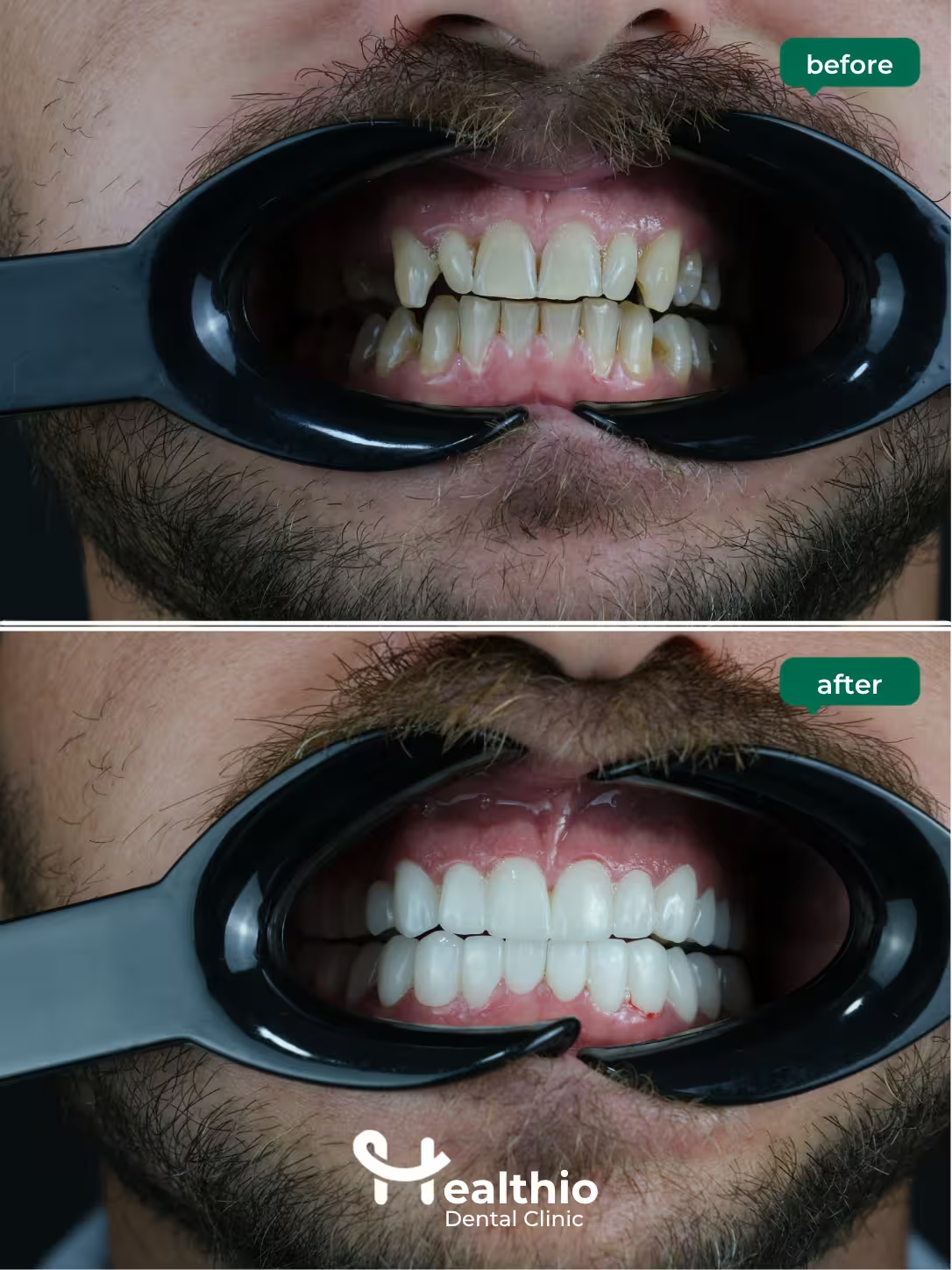
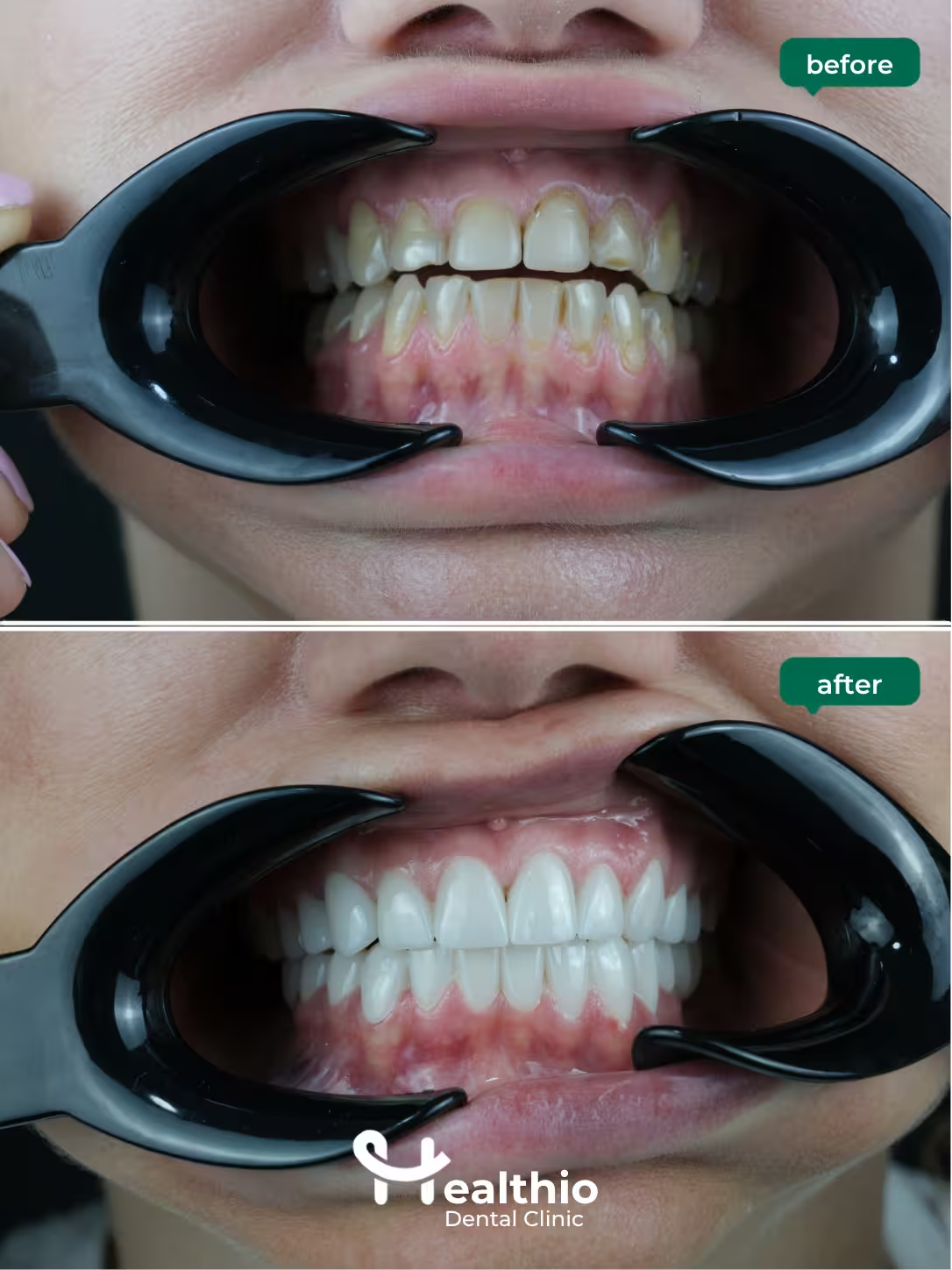
Selected clinical gallery
Explore selected cases already published in Healthio Turkey’s clinical gallery. Every image is shown in full, without horizontal scrolling or cropping.
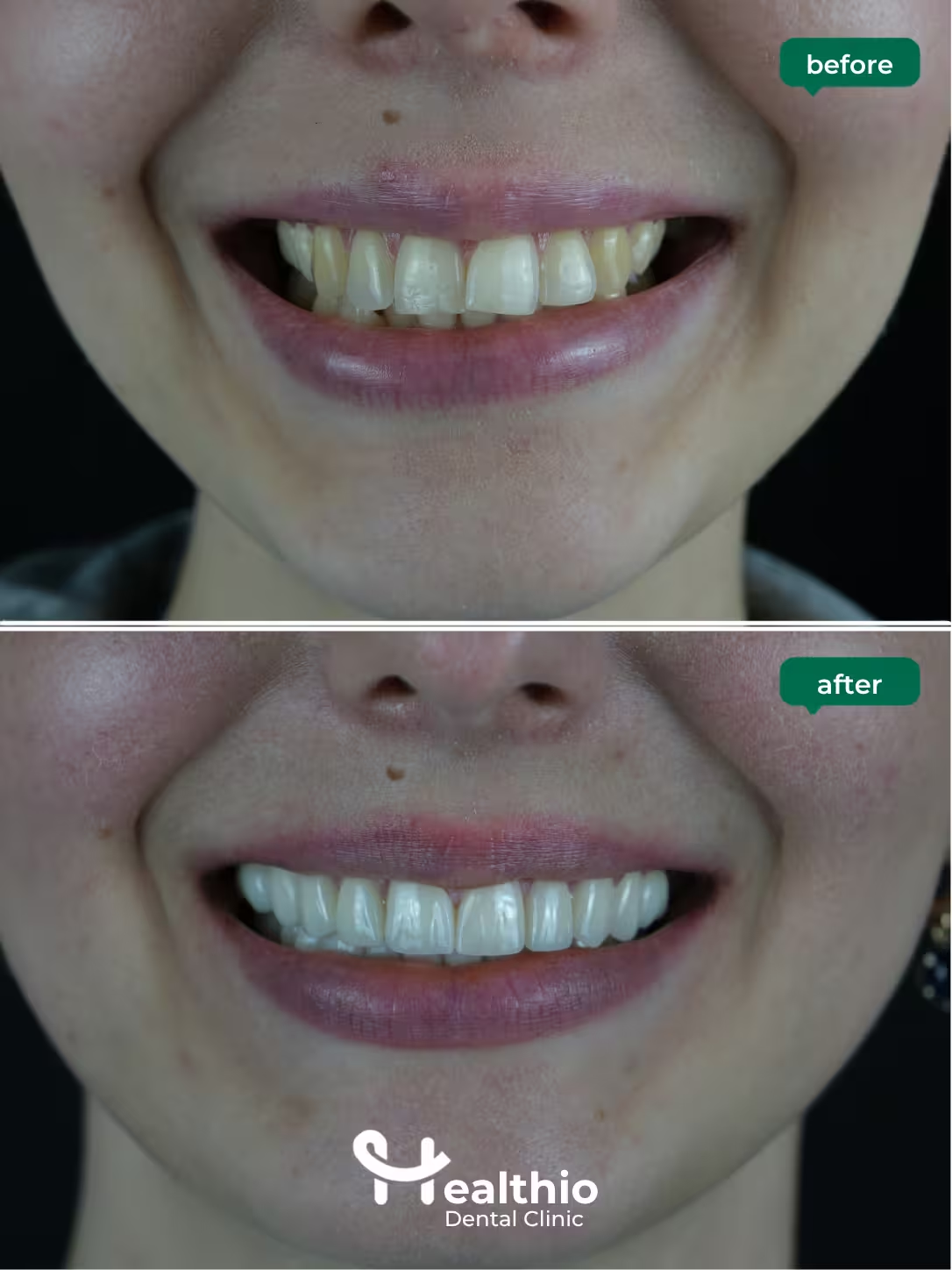
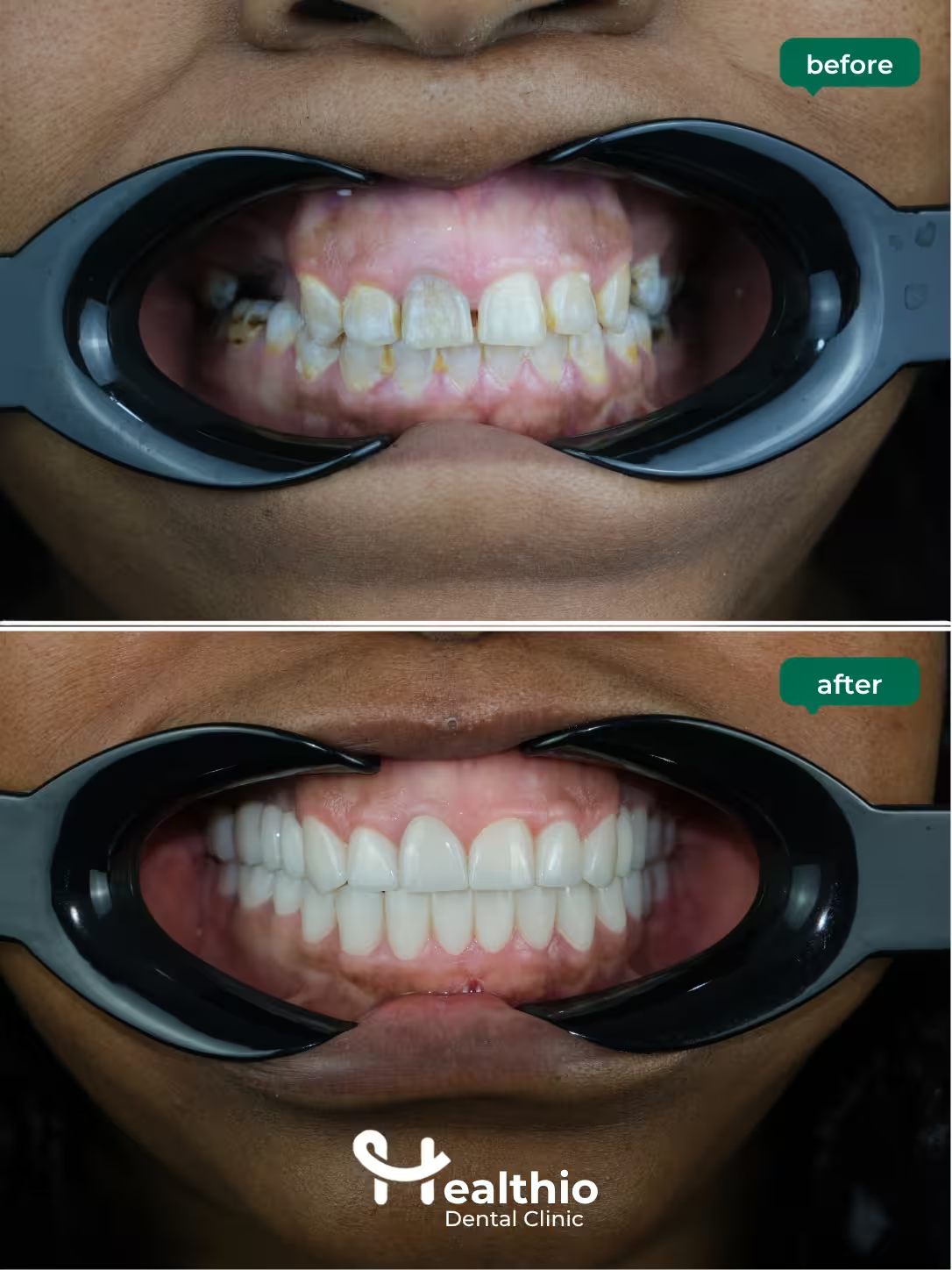
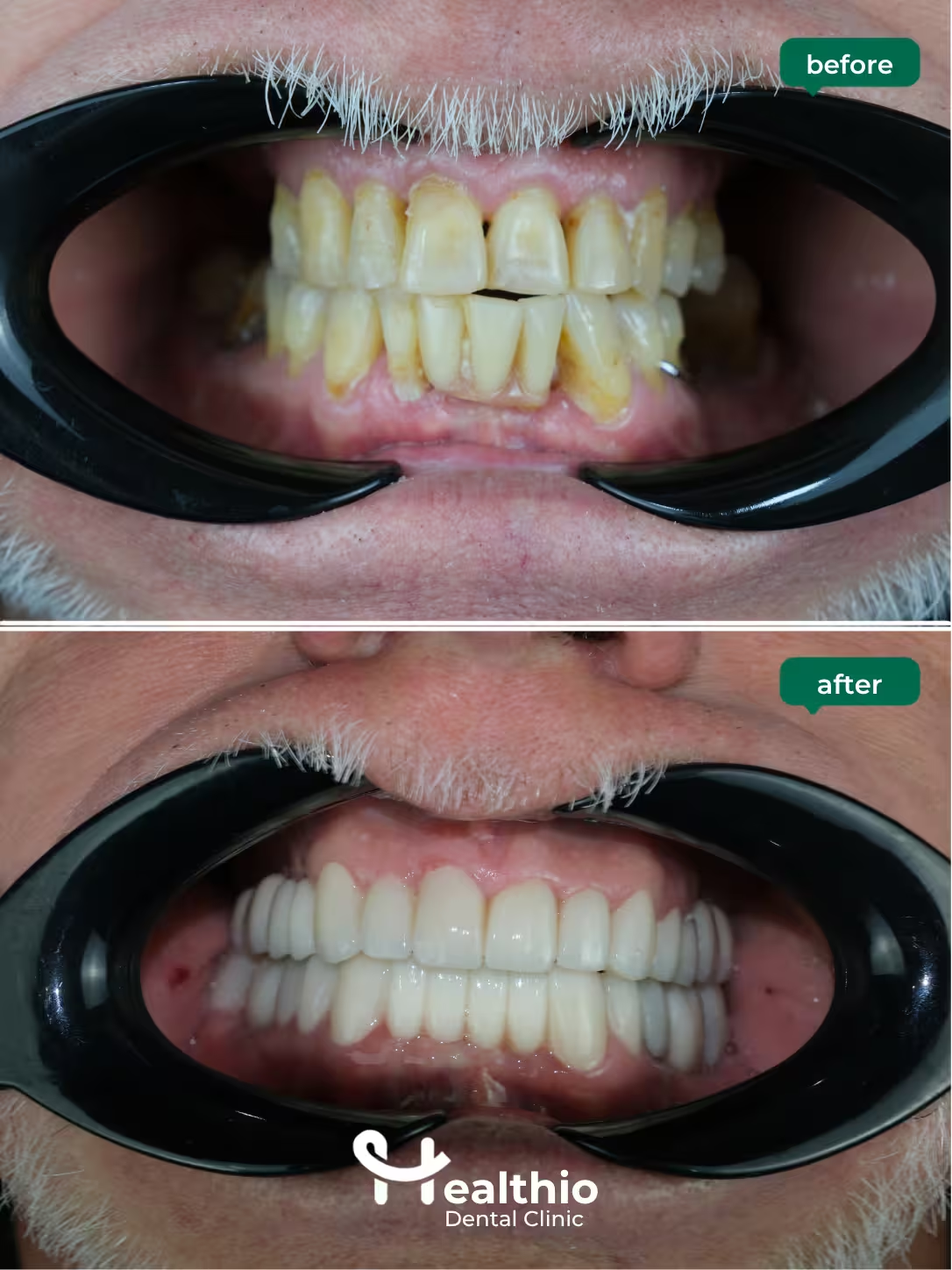
Real patient perspectives
Watch two Healthio Turkey videos to hear patient perspectives and understand the clinic experience before requesting an individual assessment.
Patient experiences are individual. Treatment needs, recovery and clinical outcomes vary from person to person.
View the YouTube channel →Designed for the individual
A crown should function comfortably and coordinate with the patient’s face and existing teeth. That requires clinical judgement and detailed communication between the dentist, patient and laboratory.
Protecting your restoration
The crown material cannot decay, but the supporting tooth and surrounding gums still require consistent care. Longevity varies with oral health, bite forces, hygiene, diet, habits and review attendance.
Brush twice daily and clean between teeth using the method recommended by your dental team.
If you grind or clench, ask whether a professionally made night guard is appropriate.
Do not use crowns to open packaging or bite very hard objects such as ice or pens.
Regular examinations and professional cleaning help monitor crown margins, gums and bite.
Common questions
General guidance only. Your dentist can answer case-specific questions after examining your teeth, gums and bite.
Start with clear information
Tell us what you would like to improve and share any recent dental X-rays you have. The team can explain the preliminary options and the next step toward a confirmed clinical plan.