Updated 15 June 2026 · Medically reviewed · No sponsored content.
"Turkey teeth" is UK slang for dental work done in Turkey — usually veneers or crowns. The term can be positive (a bright new smile at a fraction of UK prices) or negative (an overly white, bulky, fake-looking result from a rushed, high-volume clinic). The reality: the outcome depends entirely on the clinic you choose, not the country. Good clinics in Turkey use the same E.max, Straumann and Nobel Biocare materials as London, with accredited specialists — at 50–70% less. Bad clinics cut corners, over-prepare teeth and rush treatment. This guide helps you tell the difference.
“Turkey teeth” started as UK social media slang — mostly on TikTok and Instagram — for the ultra-white, uniform dental transformations that British holidaymakers were getting in Turkey and proudly (or controversially) showing off.
The term carries two opposite meanings depending on who’s using it. For some, it’s aspirational: a dramatic smile makeover at a price they could never afford in the UK. For others — especially UK dentists and tabloid journalists — it’s shorthand for cheap, artificial-looking, clinically risky dental work that will fall apart in five years.
The truth, as usual, is somewhere in between. Turkey has both world-class clinics running the same materials and protocols as Harley Street, and factory-model clinics processing dozens of patients a day with minimal diagnostics. The outcome depends on which one you choose.
"Turkey teeth" = dental work done in Turkey. It's not a treatment type — it's a label. The treatment underneath might be porcelain veneers, zirconia crowns, composite bonding or full-mouth implants. What makes it "turkey teeth" in the media is simply the destination, not the quality.
We’d be doing you a disservice if we pretended problems don’t exist. They do — and understanding why is the best way to avoid them.
Almost every "turkey teeth" horror story traces back to choosing on price alone. A £99/tooth quote on Instagram is a business model built on volume and speed — not on your long-term oral health.
This is the single most important distinction UK patients miss — and the one that causes the most regret.
Many high-volume Turkish clinics market "veneers" but actually deliver full crowns, because crowns are faster to prepare and fit in bulk. You arrive expecting thin shells on healthy teeth; you leave with stumps under caps. Always ask in writing: "Am I receiving veneers or crowns? How much tooth structure will be removed?"
Print this, screenshot it, send it to your group chat. These are the signals that separate a safe clinic from a risky one.
Indicative per-tooth and per-jaw ranges from reputable clinics. The cheapest quote is rarely the safest one.
| Treatment | Turkey (from) | UK (typical) | Saving |
|---|---|---|---|
| Porcelain veneer (per tooth) | £170 – £300 | £500 – £1,000 | up to 70% |
| Zirconia crown (per tooth) | £100 – £200 | £400 – £800 | up to 75% |
| Full set of 20 veneers | £3,400 – £6,000 | £10,000 – £20,000 | up to 70% |
| All-on-4 implants (per jaw) | £1,750 – £3,300 | £8,000 – £12,000 | up to 75% |
| All-on-6 implants (per jaw) | £2,400 – £4,030 | £10,000 – £14,000 | up to 70% |
| Composite bonding (per tooth) | £80 – £150 | £200 – £400 | up to 60% |
The 50–70% saving is not because quality is lower. It’s because the cost structure is fundamentally different.
You are paying lower local costs, not for a lower-grade product. The saving is structural, not clinical — as long as you choose the right clinic.
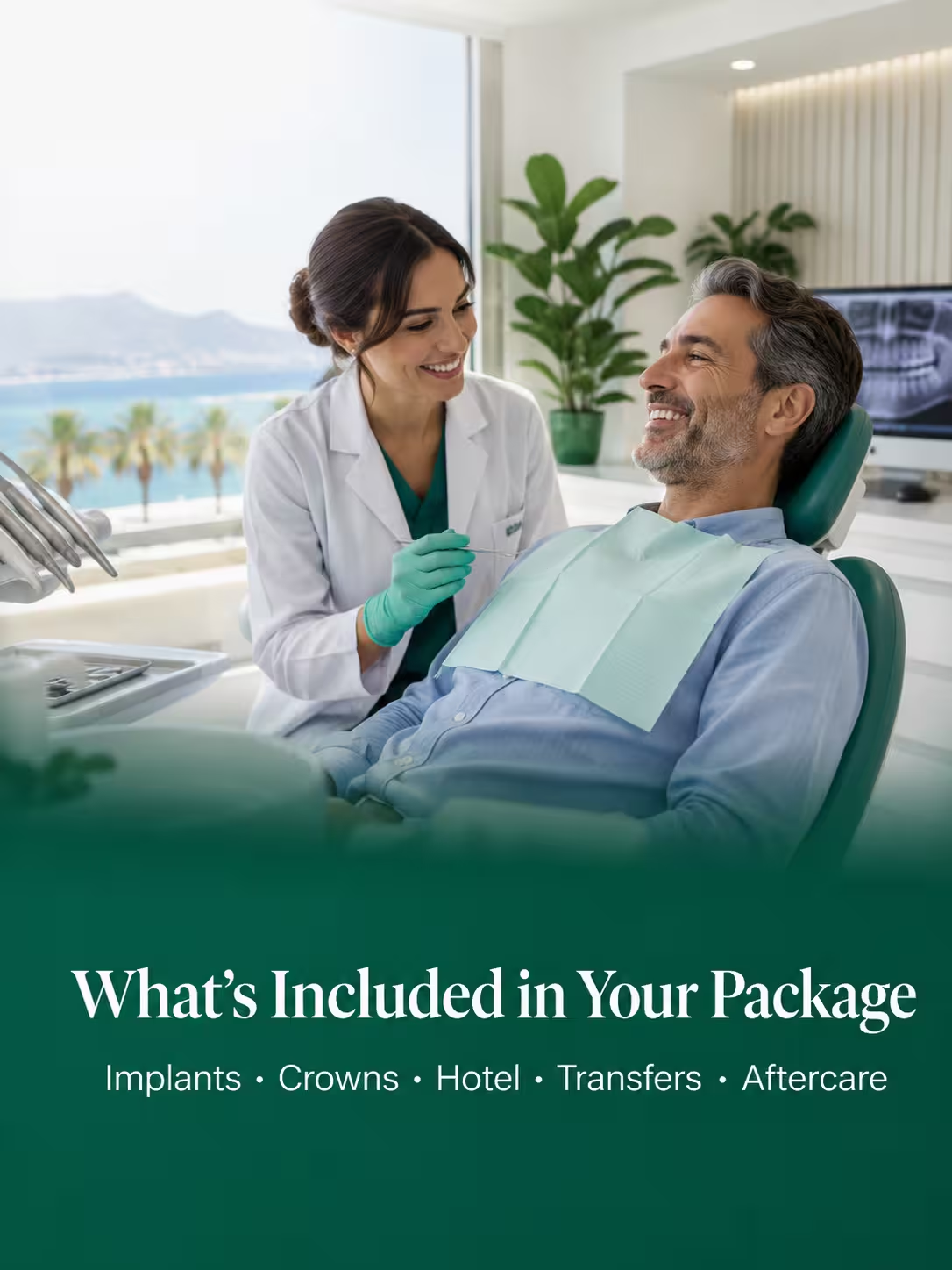
A proper full mouth dental implants Turkey package goes well beyond the surgery. Here’s exactly what should appear in your written agreement before you pay any deposit — and what is usually extra:
The 2022 BBC Three documentary “Turkey Teeth: Are They Worth It?” brought the topic into mainstream UK consciousness. It highlighted real cases of patients who suffered complications, aggressive tooth preparation and poor aftercare.
What it got right: the risks are real when you choose a high-volume, price-first clinic. What it didn’t explore in depth: the reputable end of the market — accredited clinics with specialist teams, proper diagnostics and genuine long-term results.
The documentary was a useful wake-up call. But painting an entire country's dental sector with one brush is like judging all UK dentistry by its worst NHS horror stories. The answer isn't "don't go to Turkey" — it's "choose carefully." That's exactly what this guide is for.
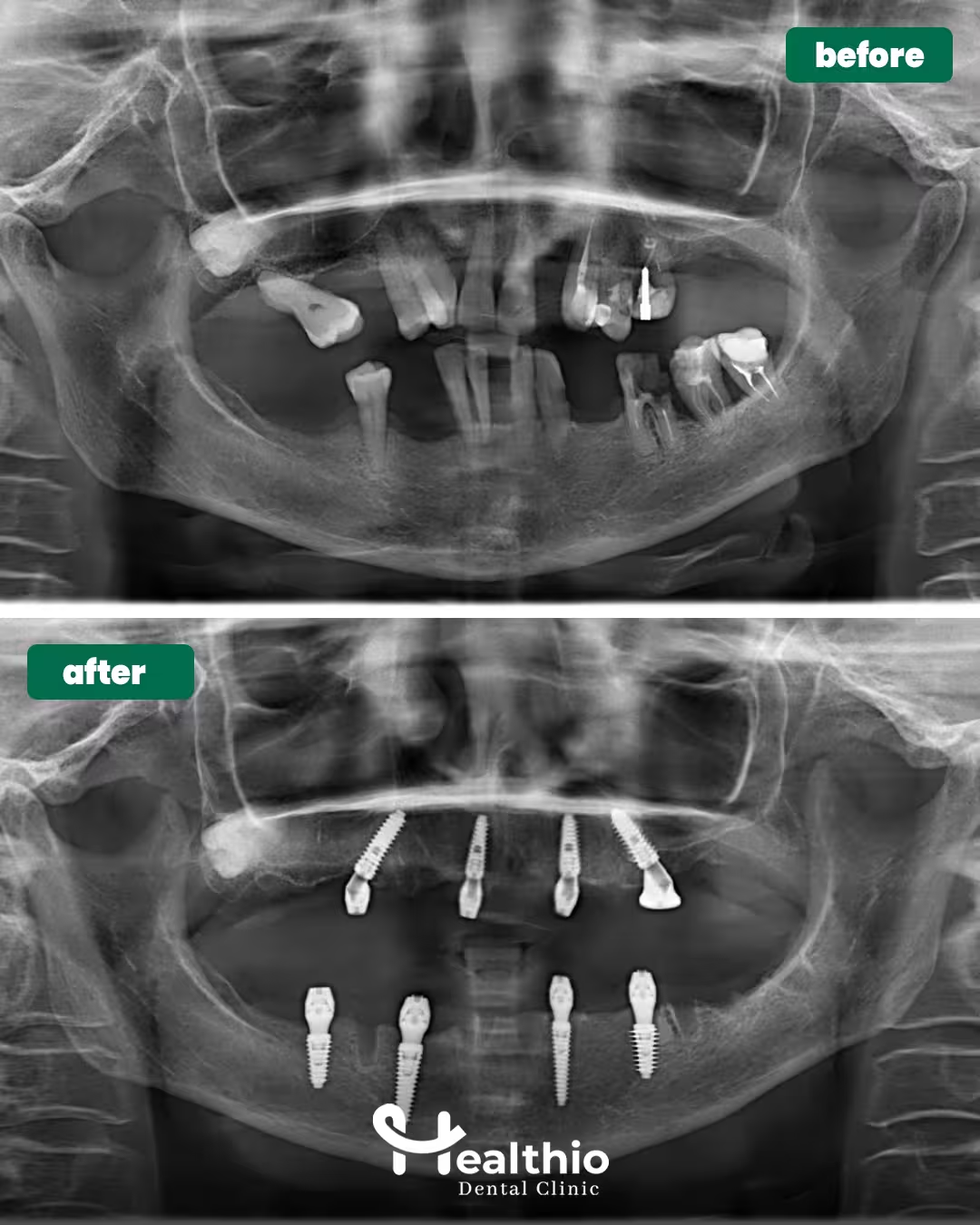
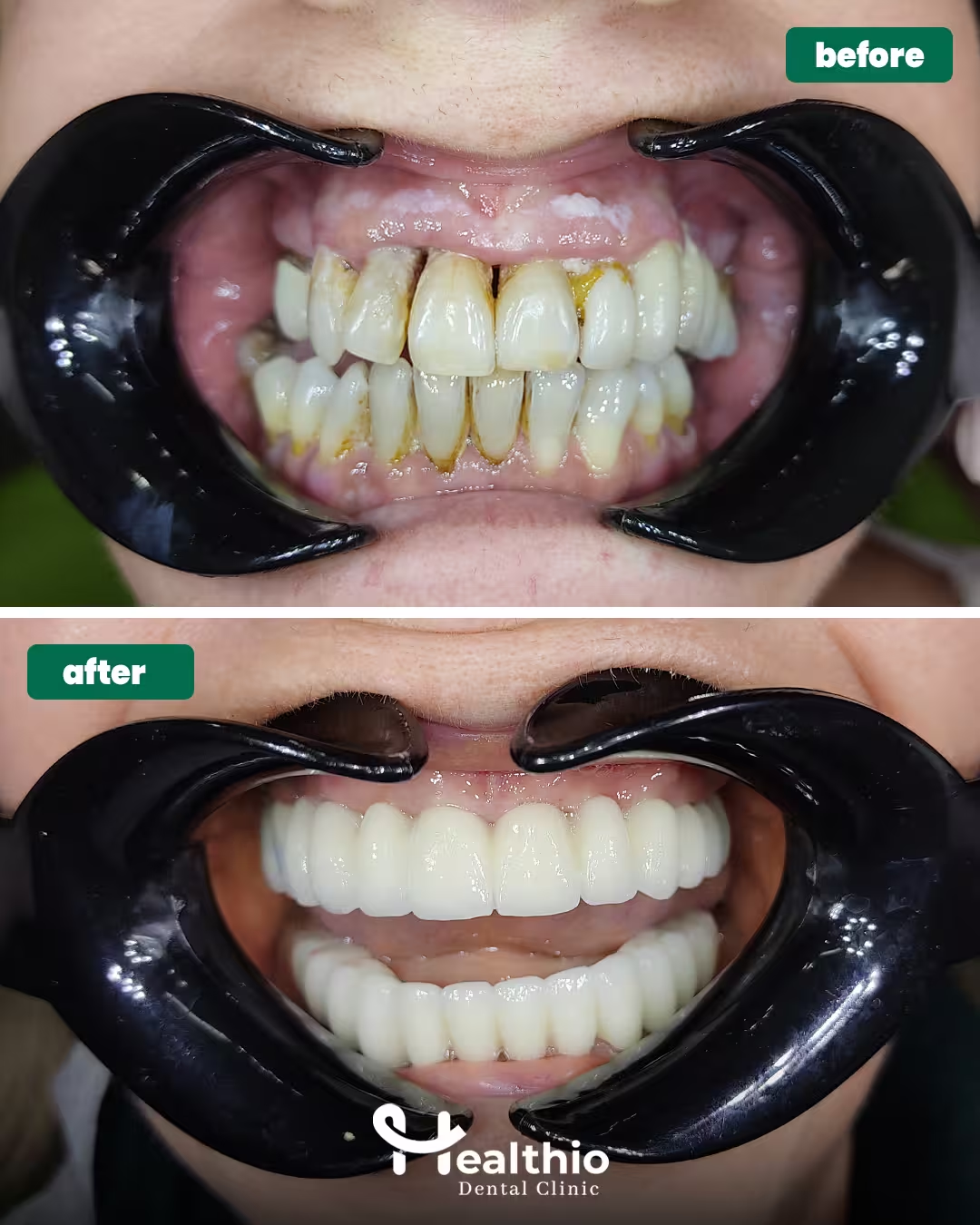

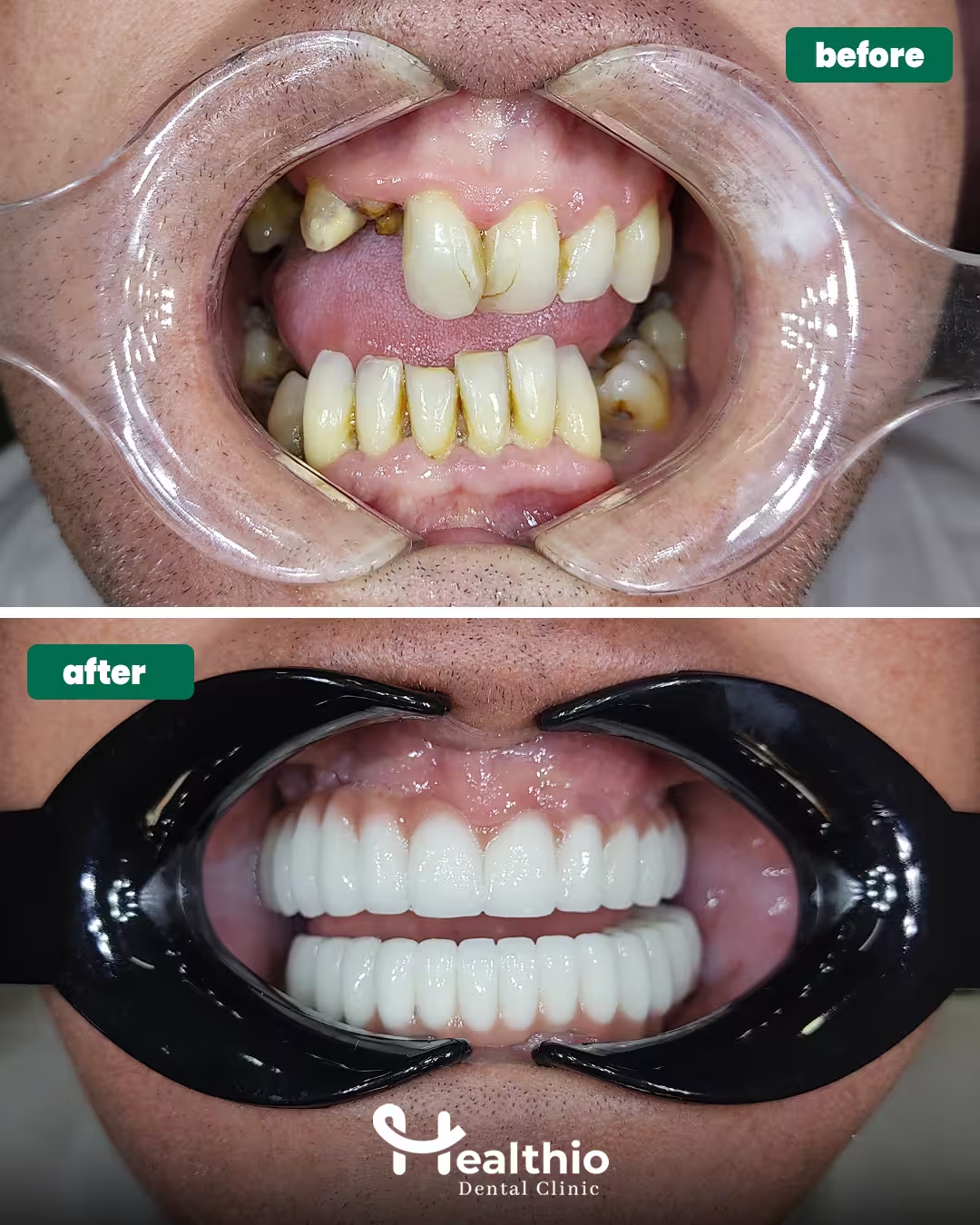
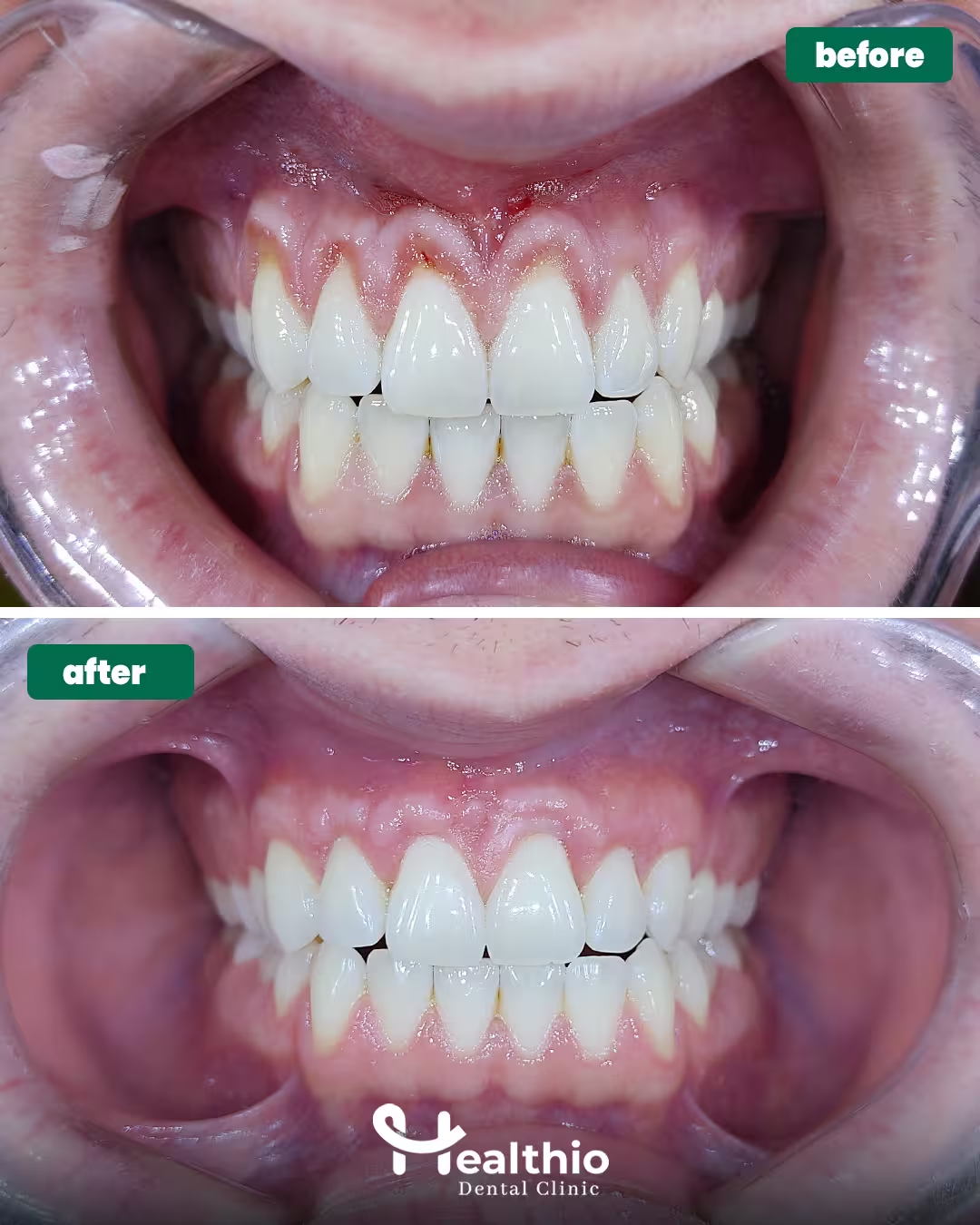
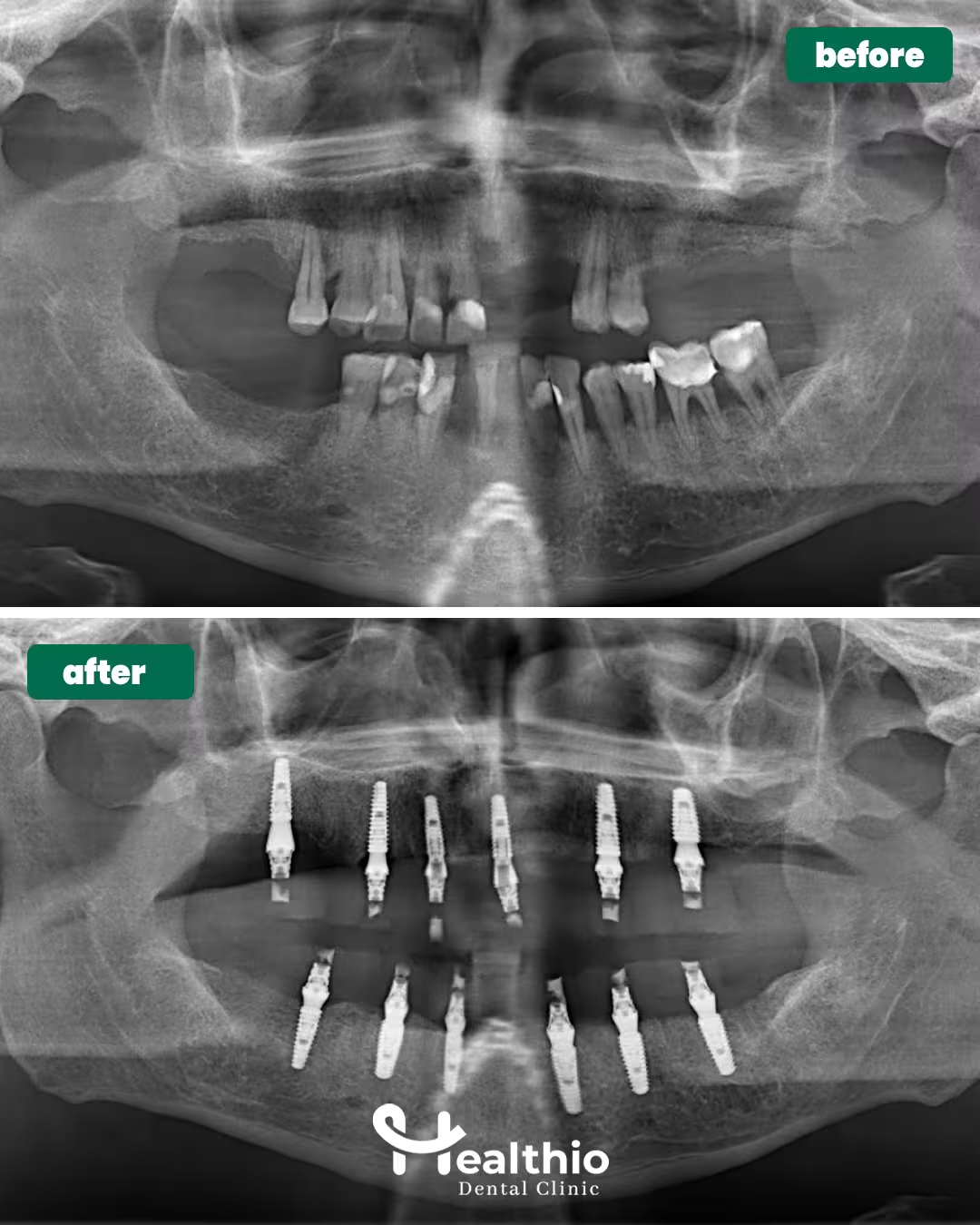


In many cases, yes — but the scope and cost depend heavily on how much natural tooth structure remains.
If you’re unhappy with dental work done elsewhere — whether in Turkey, the UK or anywhere — a qualified cosmetic dentist can assess what’s salvageable and plan a correction. Talk to us for a free review.
"Turkey teeth" is UK slang for dental work done in Turkey — usually veneers or crowns. It can be used admiringly for a bright new smile, or critically when results look overly white, bulky or artificial. The term became mainstream after the 2022 BBC Three documentary.
The fake look usually comes from one-shade-fits-all ultra-white crowns, excessive tooth shaving, and rushed treatment at high-volume clinics. Reputable clinics use layered porcelain or zirconia and customise shade, shape and translucency to match the patient's face.
Dental work in Turkey can be very safe when done at an accredited clinic by a qualified specialist, with proper diagnostics, an itemised treatment plan and written aftercare. The problems arise when patients choose based on price alone.
Costs vary: porcelain veneers typically range from £170 to £300 per tooth, full mouth implants (All-on-4) from around £1,750 per jaw, and zirconia crowns from about £100 to £200 per tooth. These are 50–70% less than equivalent UK prices.
Verify the clinic's accreditation (AACI or JCI), ask for named brands in writing, request a 3D CT scan and detailed plan before paying, read verified reviews, and confirm aftercare and guarantee terms.
In many cases, yes. Depending on remaining tooth structure, a qualified dentist can replace ill-fitting crowns, correct shade and shape, or transition to implant-supported restorations.
Veneers are thin shells bonded to the front with minimal preparation. Crowns cover the entire tooth and require significant shaving. Many horror stories involve patients who expected veneers but received full crowns.
Lower clinic rent, staff salaries, lab costs and a favourable GBP/TRY exchange rate reduce overheads by 60–70%. Reputable clinics use the same global brands — the saving is structural, not clinical.